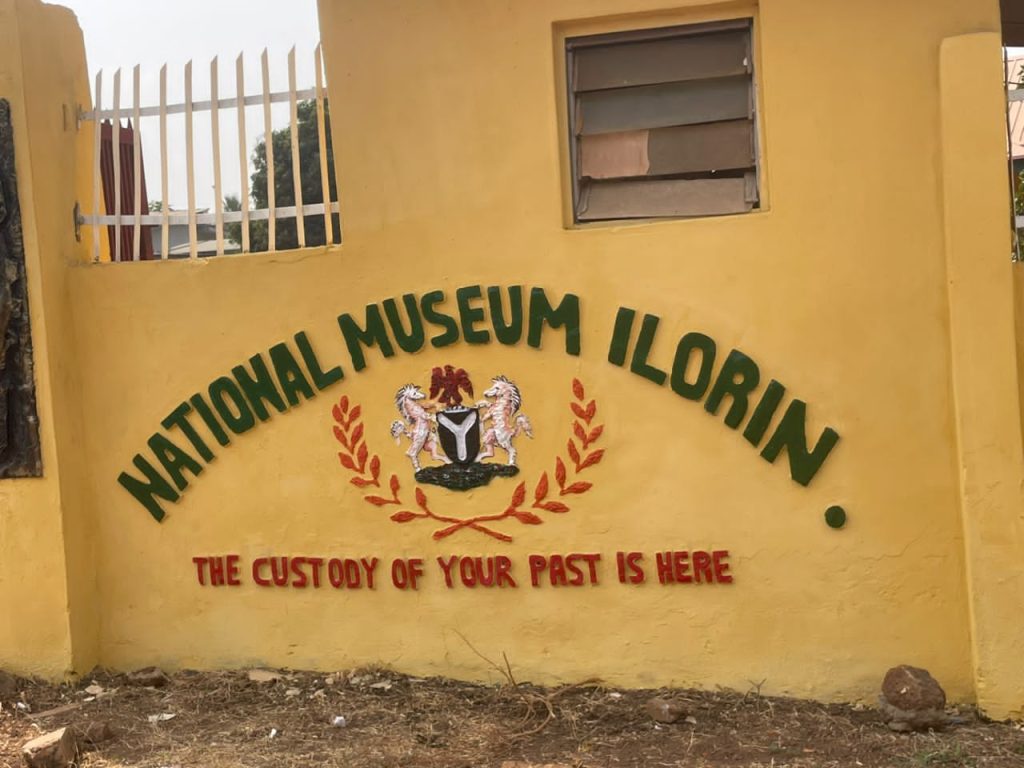

National Museum Ilorin


A Timeless Treasure: The National Museum, Ilorin
Standing as a silent witness to history, the National Museum, Ilorin, built by British colonialists in 1945, is a vault of Nigeria’s rich past. Recognized as the oldest museum in the country, it holds the largest collection of soapstone images in Africa, each piece whispering stories of ancient civilizations.
Beyond its stone artifacts, the museum is a gateway into the cultural splendor of the Yoruba Kingdom, preserving relics that echo the artistry, traditions, and way of life of the past. A sanctuary for tourists, historians, and researchers, it offers more than just exhibits, it also provides an immersive journey into a world where heritage and history intertwine, waiting to be rediscovered.

The Nok Culture, named after the quiet village of Nok in Kaduna, unveiled its secrets through the discovery of a single sculpture—an ancient masterpiece that would open the door to one of Africa’s most mysterious and advanced early civilizations.

Igbo-Ukwu, nestled in Anambra State, holds the earliest known evidence of copper craftsmanship in West Africa—an ancient treasure trove where intricate bronzes whisper tales of a highly sophisticated civilization long ahead of its time..

The Benin Bronzes stand as a breathtaking testament to the artistic brilliance and advanced metallurgy of the Benin Kingdom—each intricately cast piece telling timeless stories of royalty, power, and spiritual depth, their bronze faces forever gazing into history.

Nigeria’s artistic masterpieces echo the soul of a rich and ancient heritage—each stroke, carving, and cast a timeless whisper of ingenuity. From the lifelike Benin Bronzes to the mystical Nok terracottas, these creations stand as enduring symbols of culture, identity, and the artistic prowess of a people whose legacy is etched in every masterpiece.

Carved by unknown hands and shrouded in mystery, the Esie soapstone figures stand as silent sentinels of an ancient past. With over 800 intricately sculpted figures, they whisper forgotten stories of a lost civilization, making Esie the cradle of Africa’s largest stone sculptures and a timeless enigma in Nigeria’s artistic heritage.

The Ada, a ceremonial sword of prestige and power, gleams with the echoes of Nigeria’s royal heritage. Wielded by kings and warriors, it symbolizes authority, bravery, and the enduring legacy of leadership passed down through generations. Each blade carries the spirit of history, a testament to the honor and strength of its bearer.

The Osamisi Ram Head, a masterpiece of ancient craftsmanship, stands as a symbol of strength, resilience, and spiritual power. With its intricately carved details and commanding presence, it reflects the deep artistic heritage of its creators, whispering tales of tradition, reverence, and the unbreakable bond between man and the divine.

The Okpanwa-Anumahe Mask of Ebonyi State is a striking embodiment of ancestral wisdom and mystical elegance. Carved with precision and adorned with symbolic details, it carries the echoes of forgotten traditions, channeling the spirit of the land and the legacy of the people who revere it.

The Gẹ̀lẹdẹ́ mask is more than an artistic masterpiece—it is a vibrant dance of history, wisdom, and reverence. Worn in ceremonies honoring women and the forces of fertility, its striking features and bold colors whisper ancestral stories, celebrating the unseen power that shapes society.

The Agbogho mask of Anambra State is a mesmerizing embodiment of youthful beauty and ancestral grace. With its delicate features and intricate carvings, it tells the tale of maidenhood, purity, and the deep spiritual connection between the living and the ancestral realm.

The Èsù Staff, a sacred symbol of divine balance and duality, stands as a conduit between worlds, embodying the unpredictable yet just nature of Èsù, the Yoruba deity of fate and communication. Adorned with intricate carvings, it whispers ancient wisdom, guiding seekers through the crossroads of destiny.

The Ọpọn Ifá, the sacred divination tray of the Yoruba, is more than carved wood. It is a portal to wisdom, where the past, present, and future intertwine. Adorned with intricate symbols and divine markings, it serves as the stage upon which the mystical Ifá priests summon the guidance of Orunmila, revealing the unseen paths of destiny.